
Preparing Your Property for Spring
Spring is the most useful maintenance window in the calendar for a rental property. Winter has just shown you where the weak points are, the ground is drying out, tradespeople are not yet booked solid and the letting market is about to pick up. Everything you do now costs less and disrupts less than the same job done in the middle of winter.
Here is what we look at across our portfolio as the weather turns and what we suggest owners think about for their own properties.

Start with what winter left behind
Auckland winters are wet rather than cold, which means the damage they do is usually moisture rather than frost. Walk the property with condensation in mind. Look at the bottom corners of windows, the wall behind wardrobes, ceiling corners in bedrooms and the wall around the shower.
Black spotting in those places is a sign that moisture is being generated faster than the house can get rid of it. Sometimes that is how the property is being lived in and sometimes it is a fan that has stopped working, a range hood venting into the ceiling space or a bathroom window painted shut. It is worth knowing which, because under the healthy homes standards ventilation is the landlord's responsibility. Every habitable room needs an openable window and kitchens and bathrooms need an extractor fan that vents outside.
If mould has taken hold on a surface, clean it properly now rather than painting over it. Painted-over mould comes back through the paint by the following winter.
Clear the gutters, downpipes and drains
This is the least interesting job on the list and the one that causes the most expensive damage when it is skipped. A blocked gutter overflows down the cladding, gets in behind it and rots framing you cannot see.
Efficient drainage, guttering and downpipes are part of the healthy homes standards, so this is not just good housekeeping. While the gutters are being cleared, have someone check that downpipes actually discharge into the stormwater system rather than onto the ground next to the foundations. Gully traps should be clear and sitting above ground level. If the property has an enclosed subfloor, a look underneath for standing water or a torn ground moisture barrier is worth the trouble.

Wash the outside down
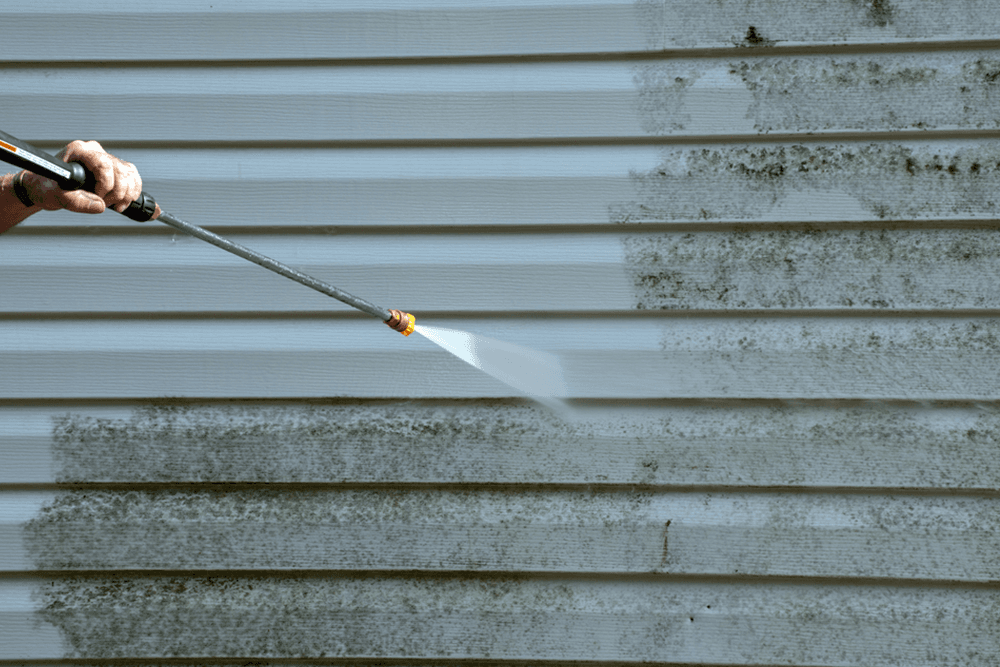
A season of damp leaves moss and mould on cladding, fences, paths and driveways. Two reasons to deal with it in spring. The first is that a slippery path is a genuine hazard and a claim waiting to happen. The second is that moss holds water against surfaces and shortens the life of paint, timber and concrete.
A house wash and a treatment on the hard surfaces is a modest spend that protects a much larger one. While the property is clean, take a proper look at the paintwork, the window joinery and any exposed timber. Repainting a weatherboard before it starts to fail is maintenance. Repainting after it fails is a repair, plus the carpentry that comes with it.
Deal with the trees before summer
Trees put on their growth over the next few months, so this is the moment to get ahead of them. Branches touching the roof lift tiles and drop debris straight into the gutters, roots find drains and hedges on a boundary become an argument with the neighbour if nobody prunes them.
Who does the routine work depends on the tenancy agreement. Tenants are generally responsible for keeping the grounds reasonably tidy, mowing and weeding, while anything that needs a ladder, a chainsaw or a contractor sits with the owner. If your agreement is vague on that point, spring is a sensible time to make sure everyone knows where the line is, before the grass takes off and the expectations differ.
Service the heating while nobody needs it
Heat pumps get used hard from May to August and then ignored. A filter clean and a service now means the unit is working properly and efficiently before next winter and you are not joining the queue on the first cold week of the year when every technician in Auckland is booked.
The same applies to the wider healthy homes picture. Insulation settles and gets disturbed by anyone working in a ceiling space, so it is worth confirming that it is still in place and still at the required depth. Draught stopping is easier to assess in mild weather when you are not chasing the obvious cold spots.
Check the safety items while you are there
If you are visiting the property anyway, cover off the things that matter most and take the least time. Working smoke alarms are the landlord's responsibility to install and maintain. Tenants need to know to tell you if one is beeping or faulty. Check the alarm expiry dates rather than just the batteries, since photoelectric alarms have a ten year life and then need replacing outright.
It is also a good time to confirm your insurance is current, that the policy still reflects how the property is used and that your tenants have been given the insurance information they are entitled to.

Then think about presentation
Spring and early summer are the busiest months for tenant movement. Properties look better in the sun, photograph better and attract more enquiry and a tenancy that starts in spring tends to run into a settled period rather than straight into a wet winter.
If your property is coming up for re-letting, the small things carry more weight than owners expect. A tidy garden, clean windows, fresh mulch on the beds and a front door that has been washed change how a property reads at a viewing. They also change who applies, which matters more over the length of a tenancy than the rent does.
A short spring list
- Look for condensation and mould, then confirm every extractor fan works and vents outside
- Clear gutters, downpipes, gully traps and drains
- House wash the exterior, then treat the paths and driveways
- Prune trees back from the roof, gutters and boundaries
- Service the heat pump and check insulation is still in place
- Check smoke alarm expiry dates and confirm insurance is current
- Tidy the garden and the entrance ahead of any viewings
One more thing worth remembering. If you manage the property yourself, entry rules still apply. Inspections need at least 48 hours' notice and maintenance visits need at least 24 hours, with entry between 8am and 7pm. Most tenants are happy to have work done. It is the notice that gets missed.
If you would rather not spend your spring on ladders and phone calls to contractors, this is the work we do for owners every day. Give us a call on 0800 900 111.